• Skip to main content
  • Skip to primary sidebar

Andy Naselli

Thoughts on Theology

  • About
  • Publications
    • Endorsements
  • Audio/Video
  • Categories
    • Exegesis
    • Biblical Theology
    • Historical Theology
    • Systematic Theology
    • Practical Theology
    • Other
  • Contact
You are here: Home / Systematic Theology / Prioritizing

Prioritizing

January 1, 2011 by Andy Naselli

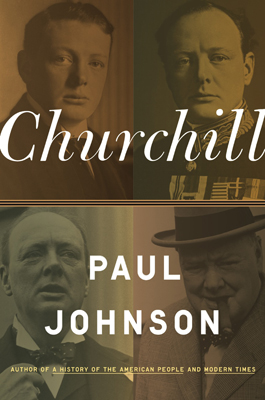
Paul Johnson, Churchill (New York: Penguin, 2010), 94:

Britain alone was not capable of crushing Germany. . . . However, he [i.e, Winston Churchill] clinched matters by persuading Roosevelt and his advisers that priority should be given to defeating Germany first. This was perhaps the most important act of persuasion in Chuchill’s entire career, and it proved to be absolutely correct.

Indeed . . . Churchill had an uncanny gift for getting priorities right. For a stateman in time of war it is the finest possible virtue. “Jock” Colville, his personal secretary, said, “Churchill’s greatest intellectual gift was for picking on essentials and concentrating on them.”

“Getting priorities right”—picking and concentrating on essentials—is also a virtue for theologians.

Share:

  • Tweet

Filed Under: Systematic Theology Tagged With: history

The New Logos

Follow Me

  • X

Reader Interactions

Comments

  1. Len Ciciarelli says

    January 1, 2011 at 12:16 pm

    Andy

    This is a lessen I hope I can learn this coming year!
    Happy New Year!

  2. Robert Murphy says

    January 1, 2011 at 3:07 pm

    I never get tired of hearing, “The main thing in life is to keep the main thing in life the main thing in life’!

  3. Paul D. Adams says

    January 2, 2011 at 9:19 am

    Andy,
    Good reminder. Do you have some examples of right priorities for theologians? I’m curious.

  4. Andy Naselli says

    January 2, 2011 at 9:21 am

    Al Mohler’s essay on “theological triage” is a good example.

  5. Paul D. Adams says

    January 2, 2011 at 7:57 pm

    Thank you, Andy. Appreciated that from Mohler. As always, he’s balanced. Now if only we can keep the lines clearly drawn between, first/second/third-order matters.

Primary Sidebar

Subscribe via Email

What God Says in 1 Timothy

Tracing the Argument of 1 Timothy: A Phrase Diagram

How to Write a Paper: Five Steps to Writing a Theological or Literary Research Paper

Exegetical Fallacies

Tools to Study the Bible and Theology

Help! I Want to Be a Manly Man

God’s Will and Making Decisions

Predestination: An Introduction

How to Read a Book: Advice for Christian Readers

Tracing the Argument of 1 Corinthians: A Phrase Diagram

Dictionary of the New Testament Use of the Old Testament

Romans: A Concise Guide to the Greatest Letter Ever Written

Tracing the Argument of Romans: A Phrase Diagram of the Greatest Letter Ever Written

The Serpent Slayer and the Scroll of Riddles

How Can I Love Church Members with Different Politics?

The Serpent and the Serpent Slayer

40 Questions about Biblical Theology

Romans–Galatians

Three Views on Israel and the Church: Perspectives on Romans 9-11

That Little Voice in Your Head: Learning about Your Conscience

How to Understand and Apply the New Testament: Twelve Steps from Exegesis to Theology

No Quick Fix: Where Higher Life Theology Came From, What It Is, and Why It Is Harmful

Conscience: What It Is, How to Train It, and Loving Those Who Differ

Perspectives on the Extent of the Atonement: 3 Views

NIV Biblical Theology Study Bible

From Typology to Doxology: Paul’s Use of Isaiah and Job in Romans 11:34–35

Four Views on the Spectrum of Evangelicalism

Let Go and Let God? A Survey and Analysis of Keswick Theology

Collected Writings on Scripture

Introducing the New Testament: A Short Guide to Its History and Message

See more of my publications.

The New Logos

Copyright © 2026 · Infinity Pro on Genesis Framework · WordPress · Log in